











Page 1
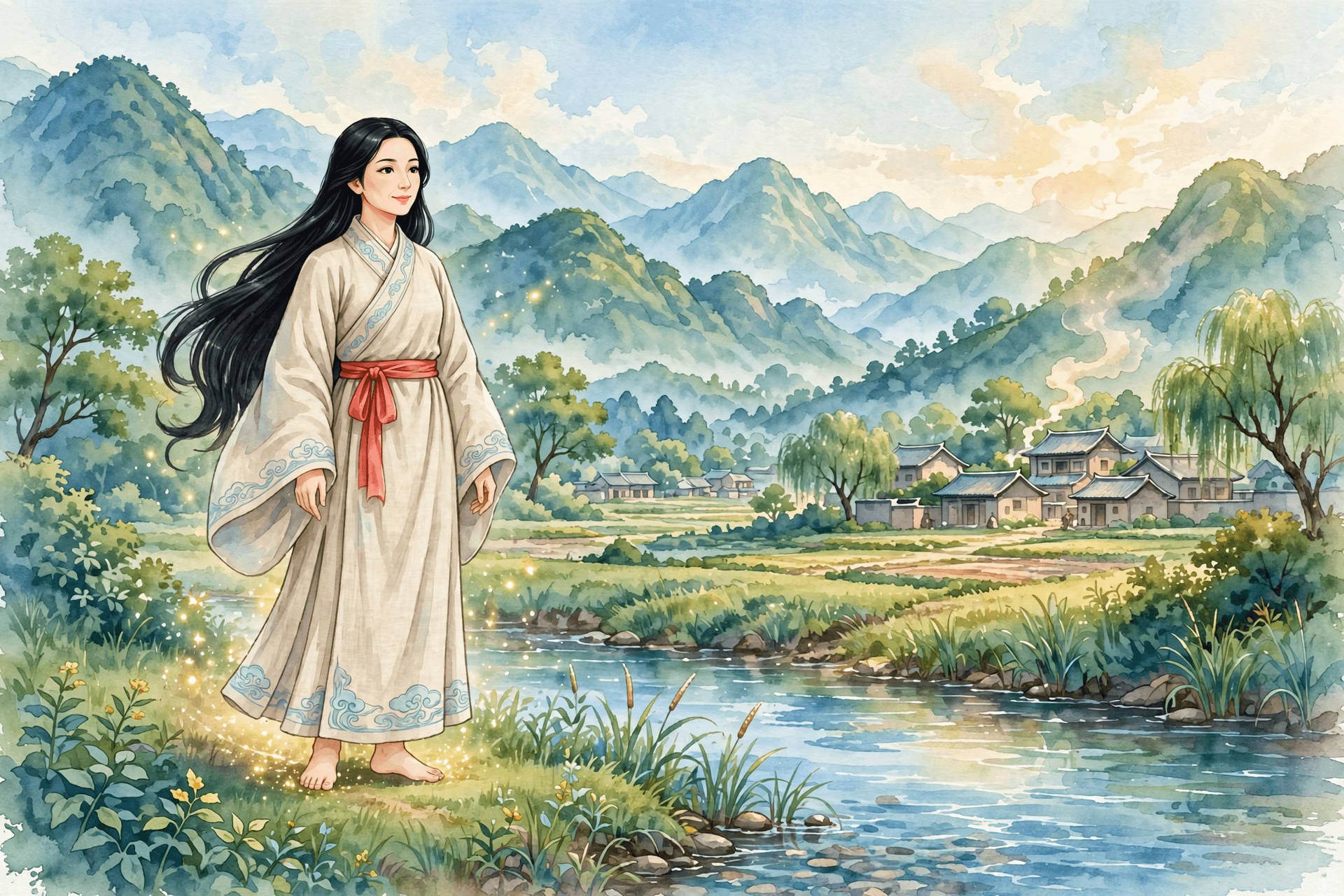
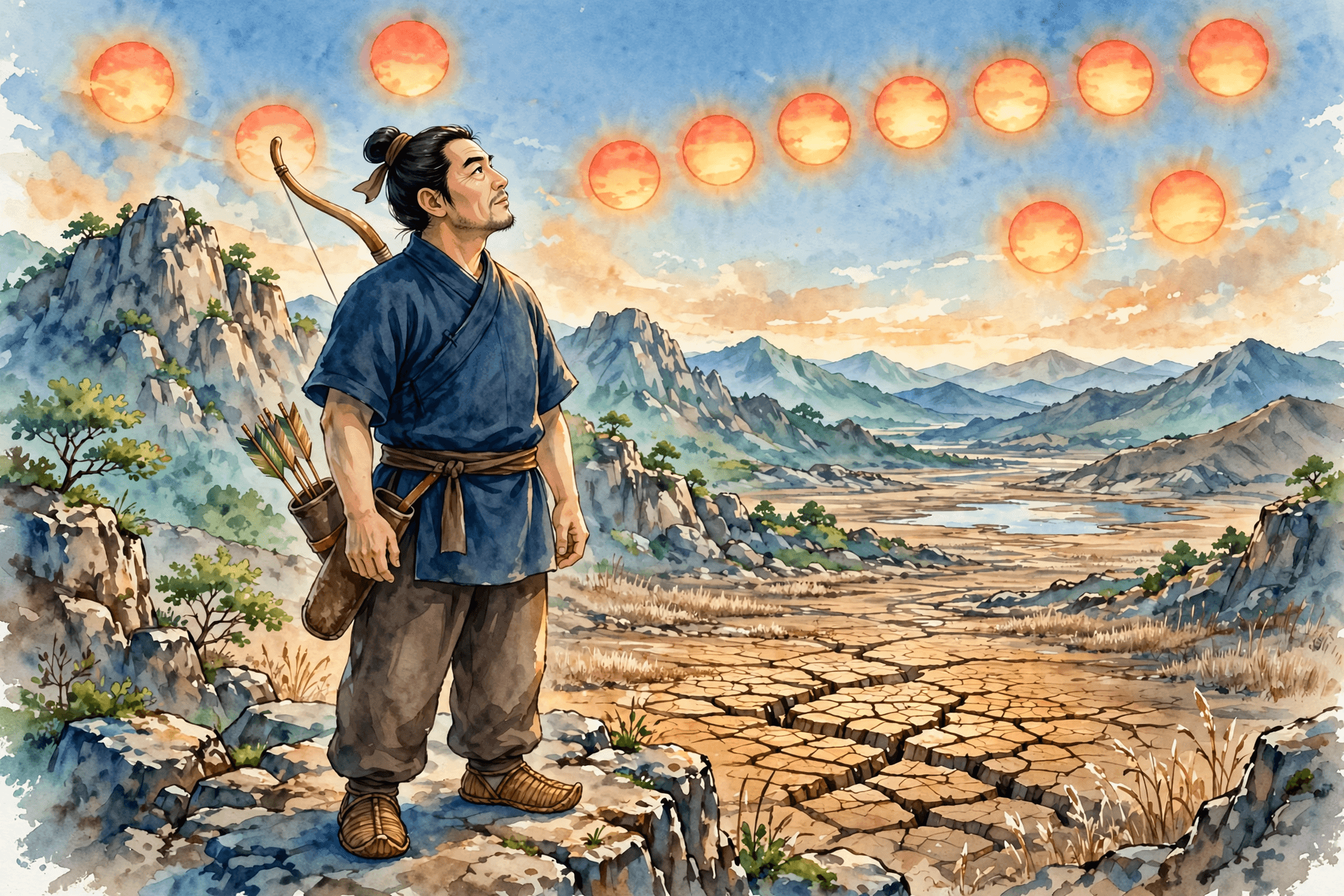
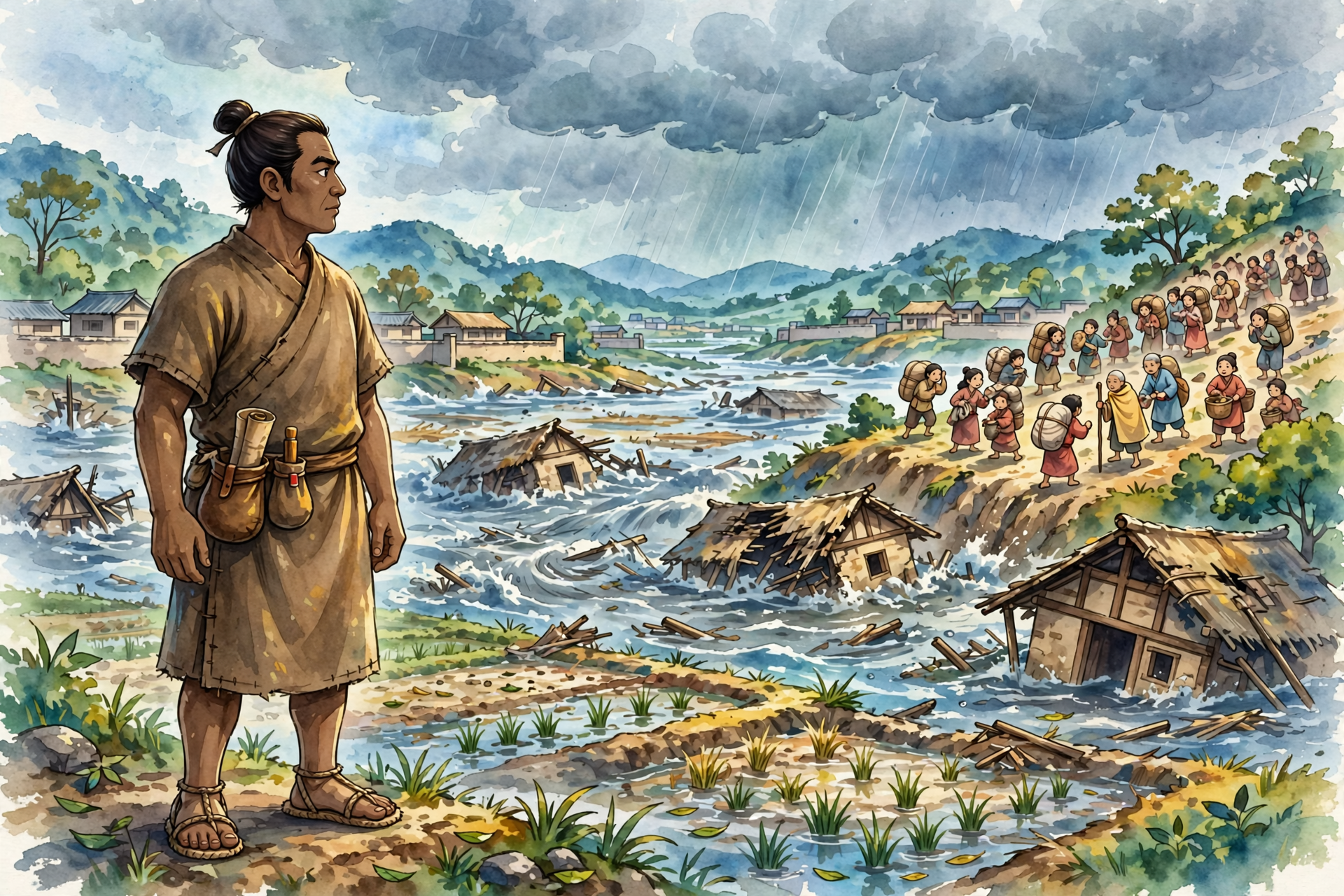
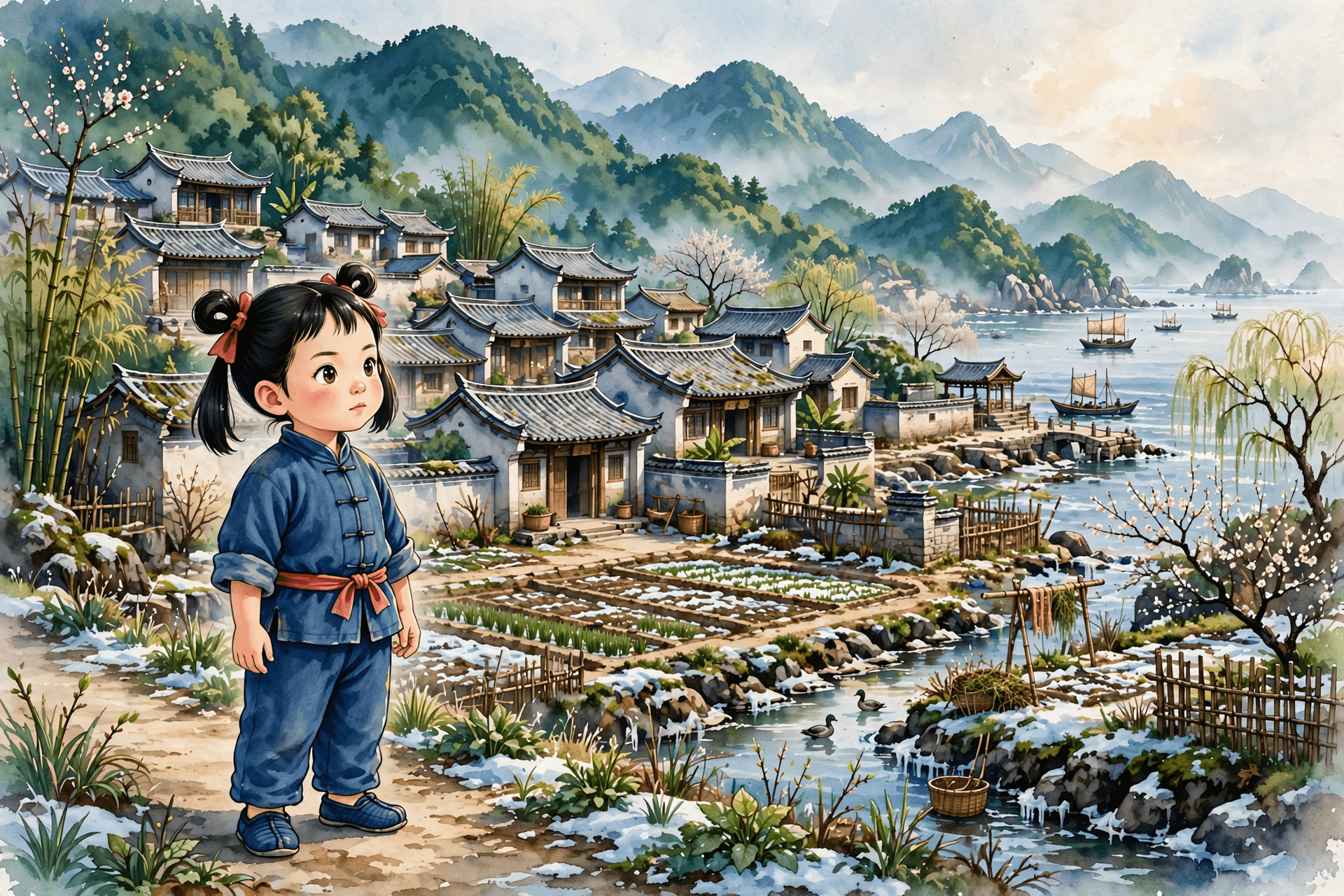
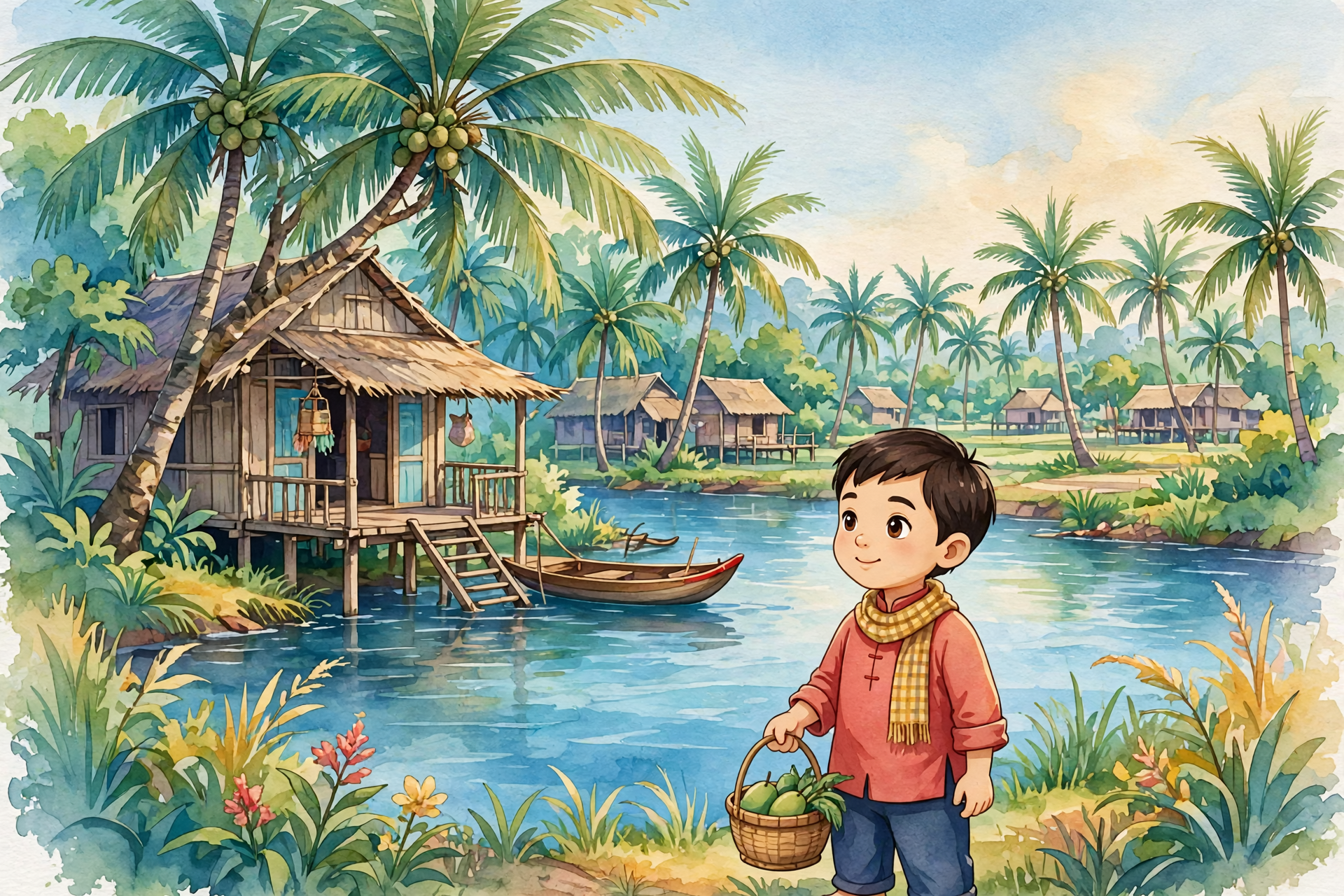
Long ago, unending heavy rains burst the banks of the Yellow River, sending muddy floods that swallowed fertile farmlands and swept away countless villages along the river's shores.
Page 2
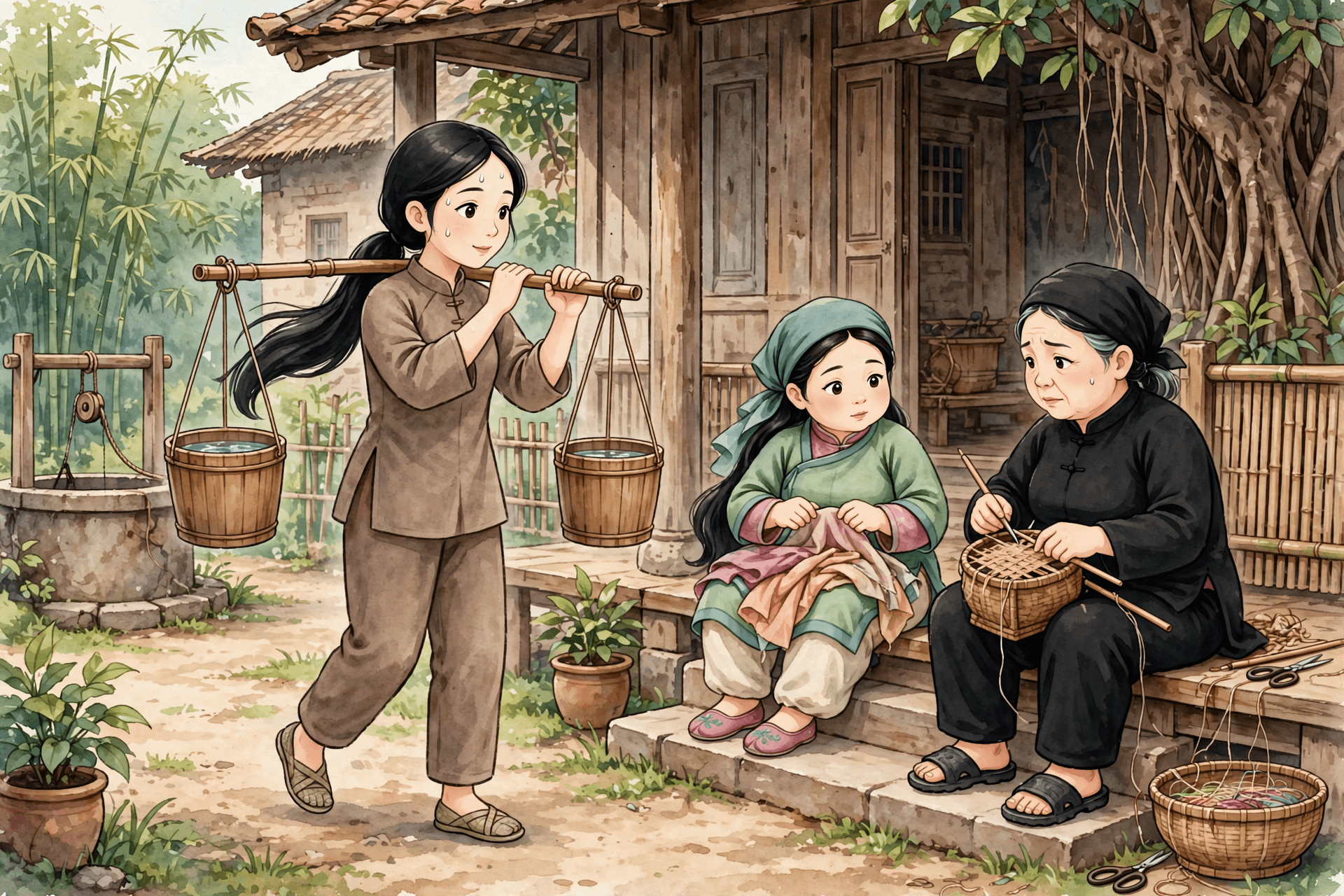
The people packed up their remaining seeds and livestock and struggled to resettle on high ground. Before this, Yu's father had built embankments to hold back the water, but the dikes collapsed during a brutal storm, making the disaster far worse.
Page 3
As he watched his neighbors left homeless, Yu grieved his father's failure and, even more, the suffering of the people. He secretly resolved to find a new way to control the floods, abandoning the old approach of only building barriers to block the water.
Page 4
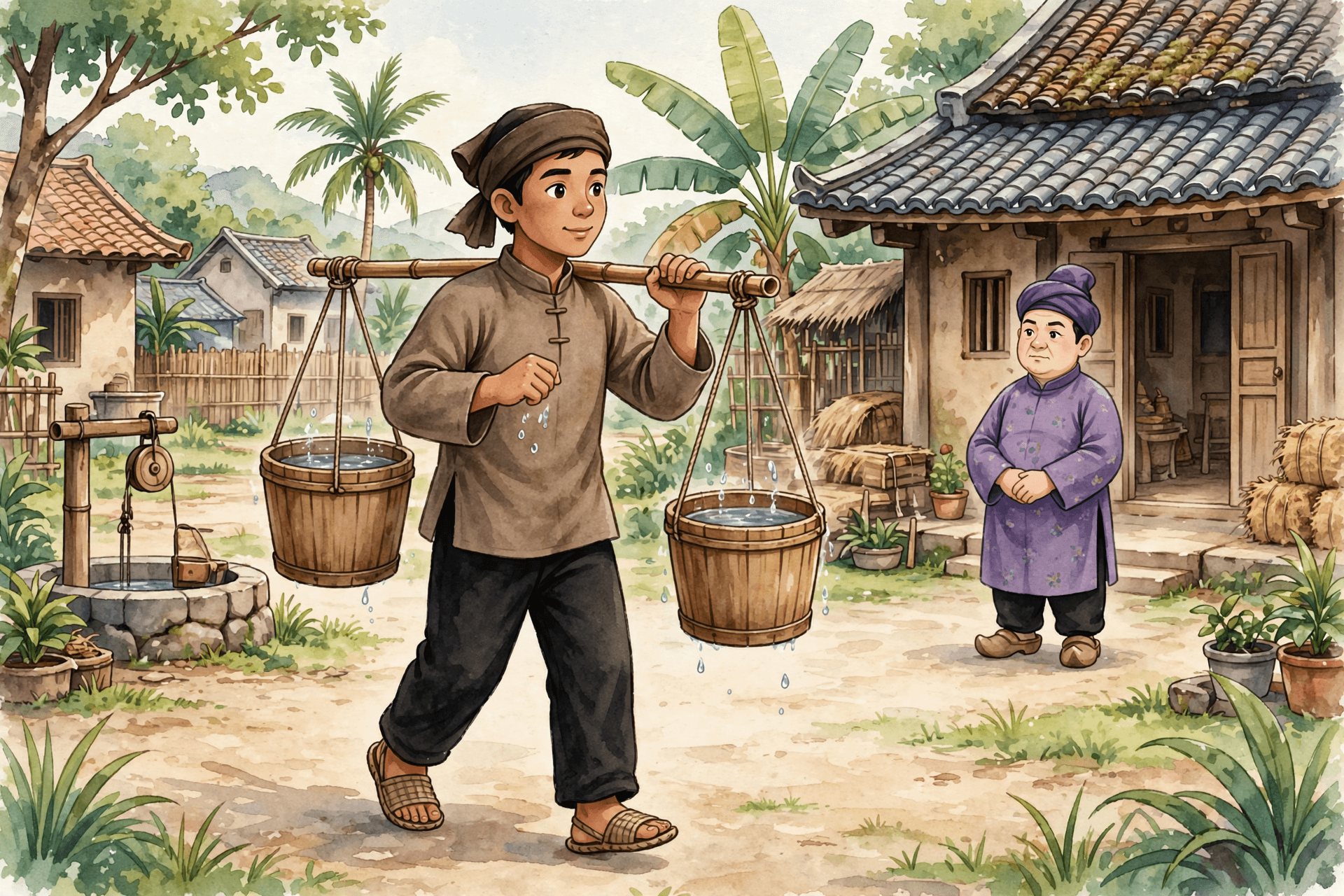
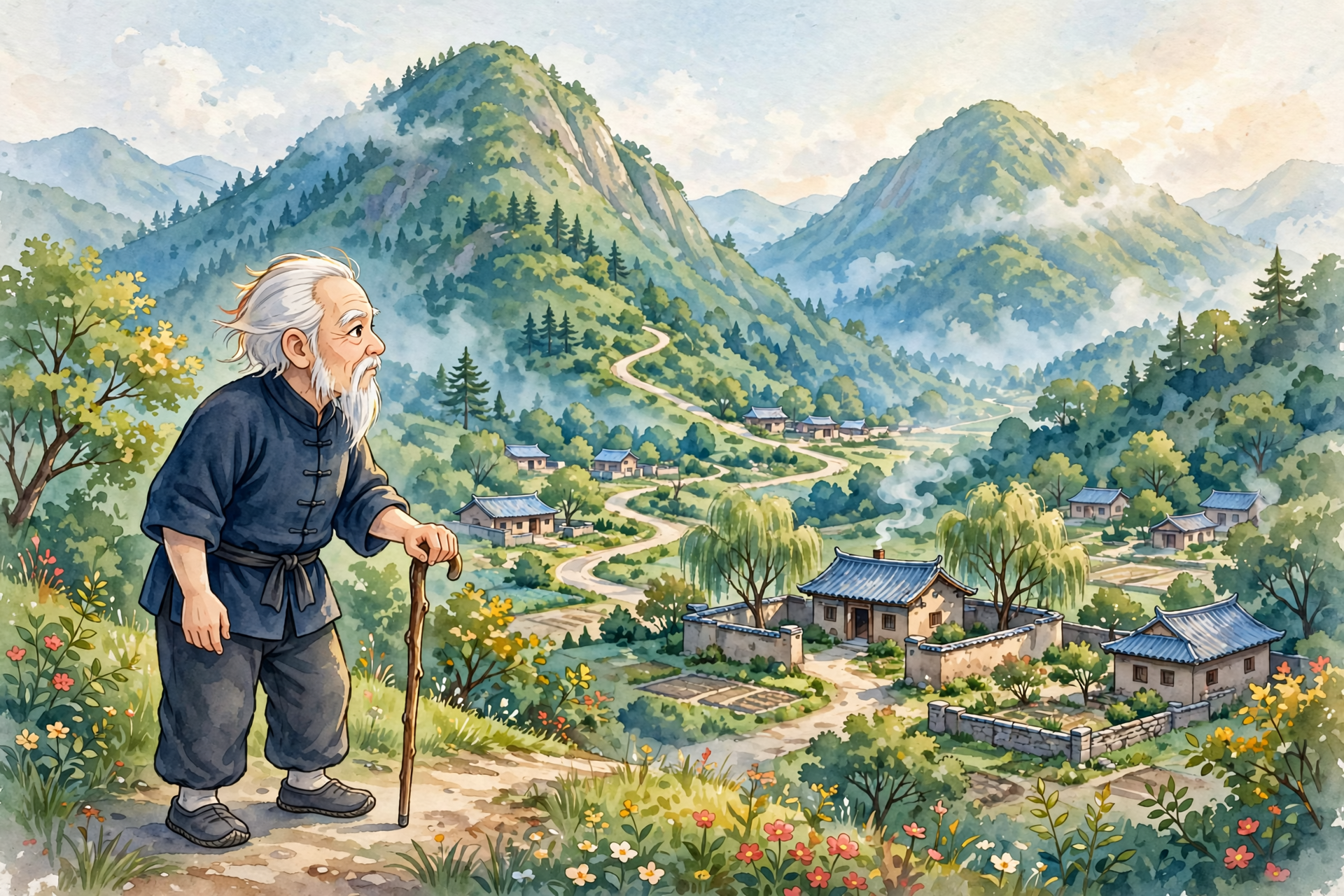
Yu slipped on straw sandals and trekked for hundreds of miles along the Yellow River's banks. He asked fishermen who worked on the river how fast the currents flowed, questioned farmers about standing water in low-lying fields, and closely studied the marks floodwaters had left on cliff faces to map out the water's natural patterns.
Page 5
Every night, Yu sketched detailed maps of the river's conditions on animal hides, noting the water's natural path. Slowly he came to understand: tall walls could never hold back the water alone. Instead, he needed to carve a clear path for the current to flow safely out to sea.
Page 6
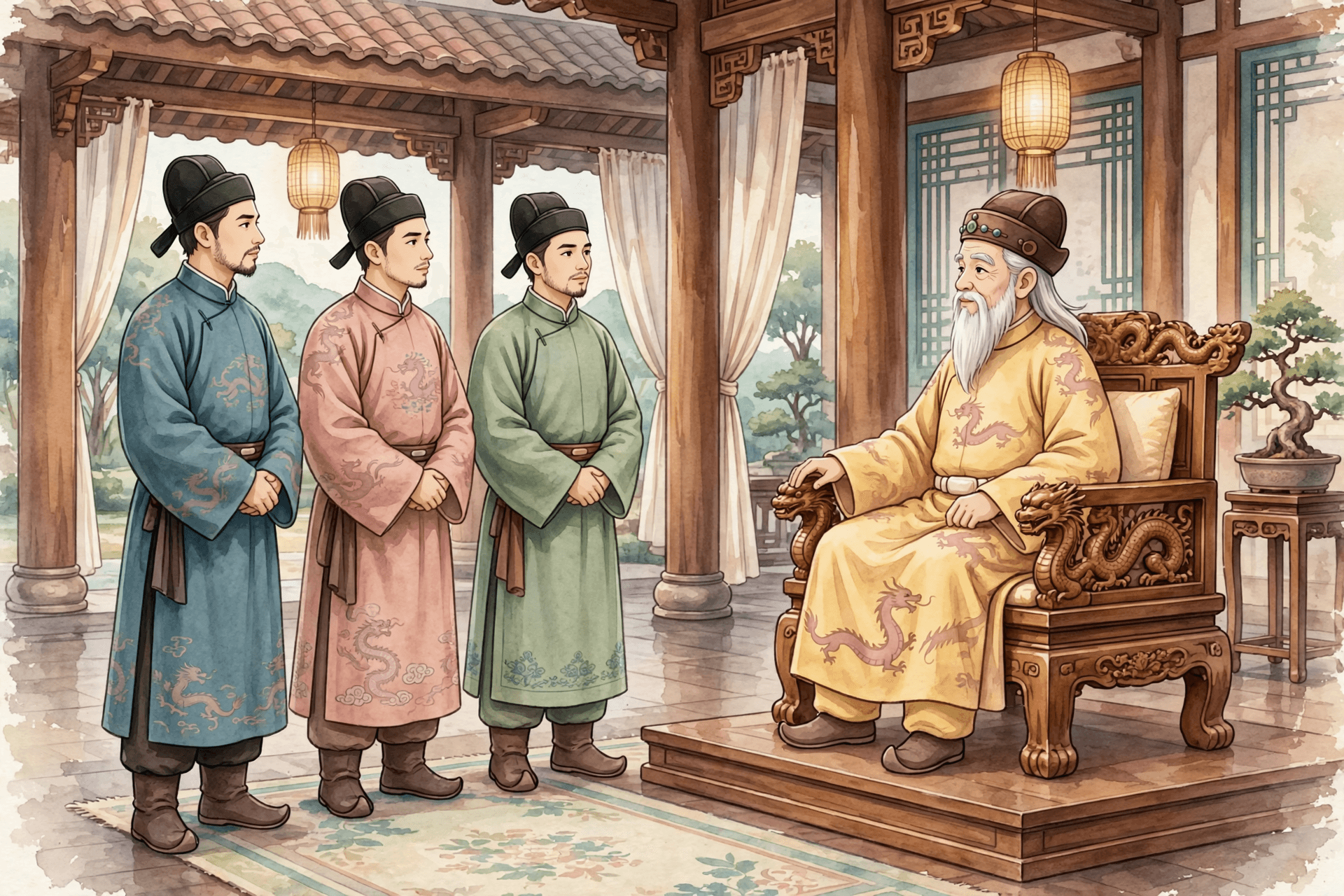
Yu gathered stonemasons, earth diggers, and village leaders from all regions to discuss his flood control plan. Looking at his map, everyone agreed to a shared approach: clear blockages in old river channels, dig new flood diversion canals, protect natural lakes, and only build dikes in the most necessary locations.
Page 7
To keep everyone safe, Yu assigned dedicated safety supervisors to every work zone. Their job was to report changes in the weather at all times and map out evacuation routes in advance, so villagers could escape quickly if any danger arose.
Page 8
The massive flood control project launched officially at the upper reaches of the Yellow River. Yu worked alongside the villagers, wading through muddy water right beside them. They used chisels and wedges to chip away slowly at the hard rock that blocked the water's path, never recklessly damaging the mountainsides.
Page 9
All the soil dug up during construction was hauled away to raise the foundations of village houses. Trees that needed to be moved were carefully replanted along the riverbanks to hold the soil in place. No resource went to waste; every material was put to good use.
Page 10
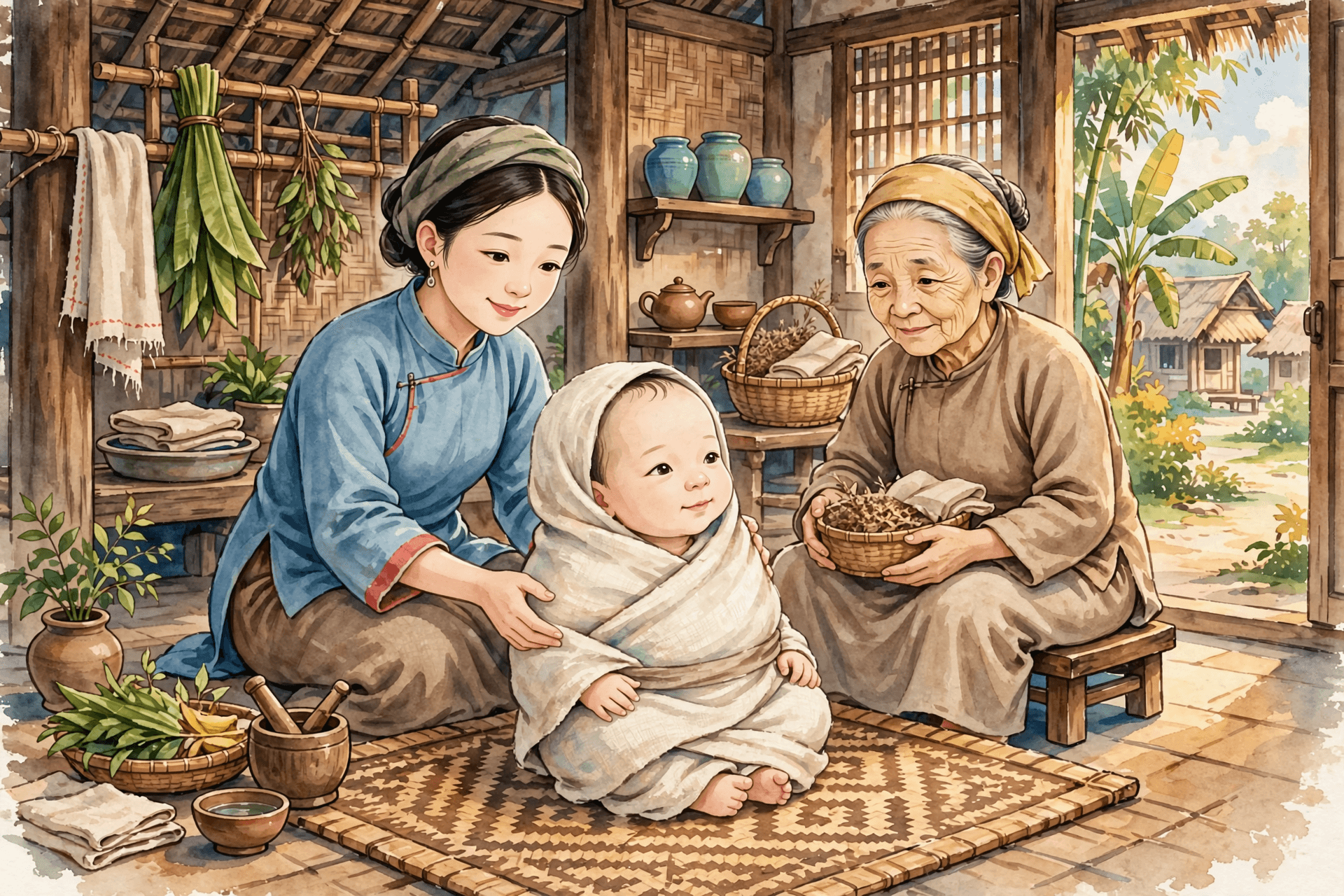
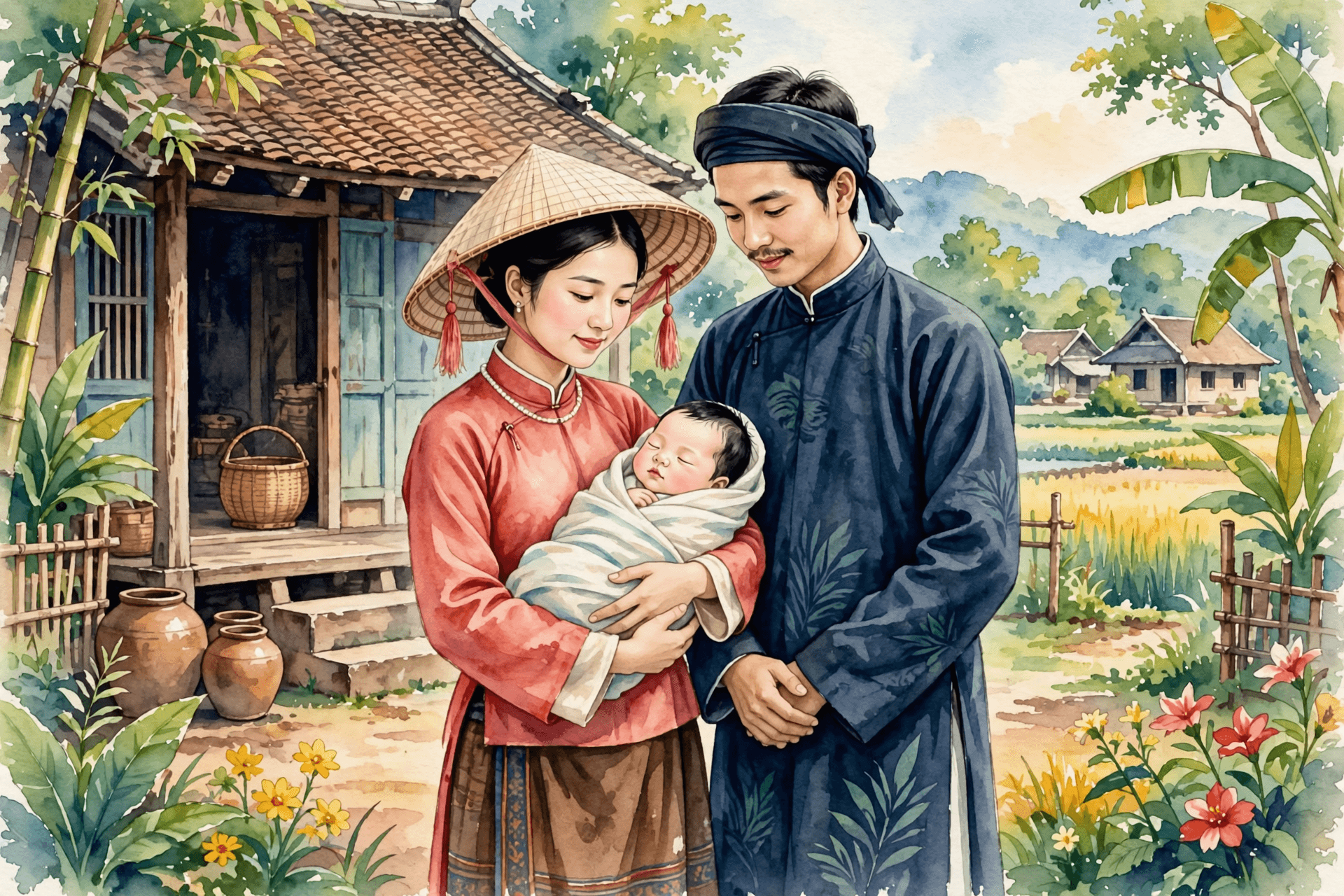
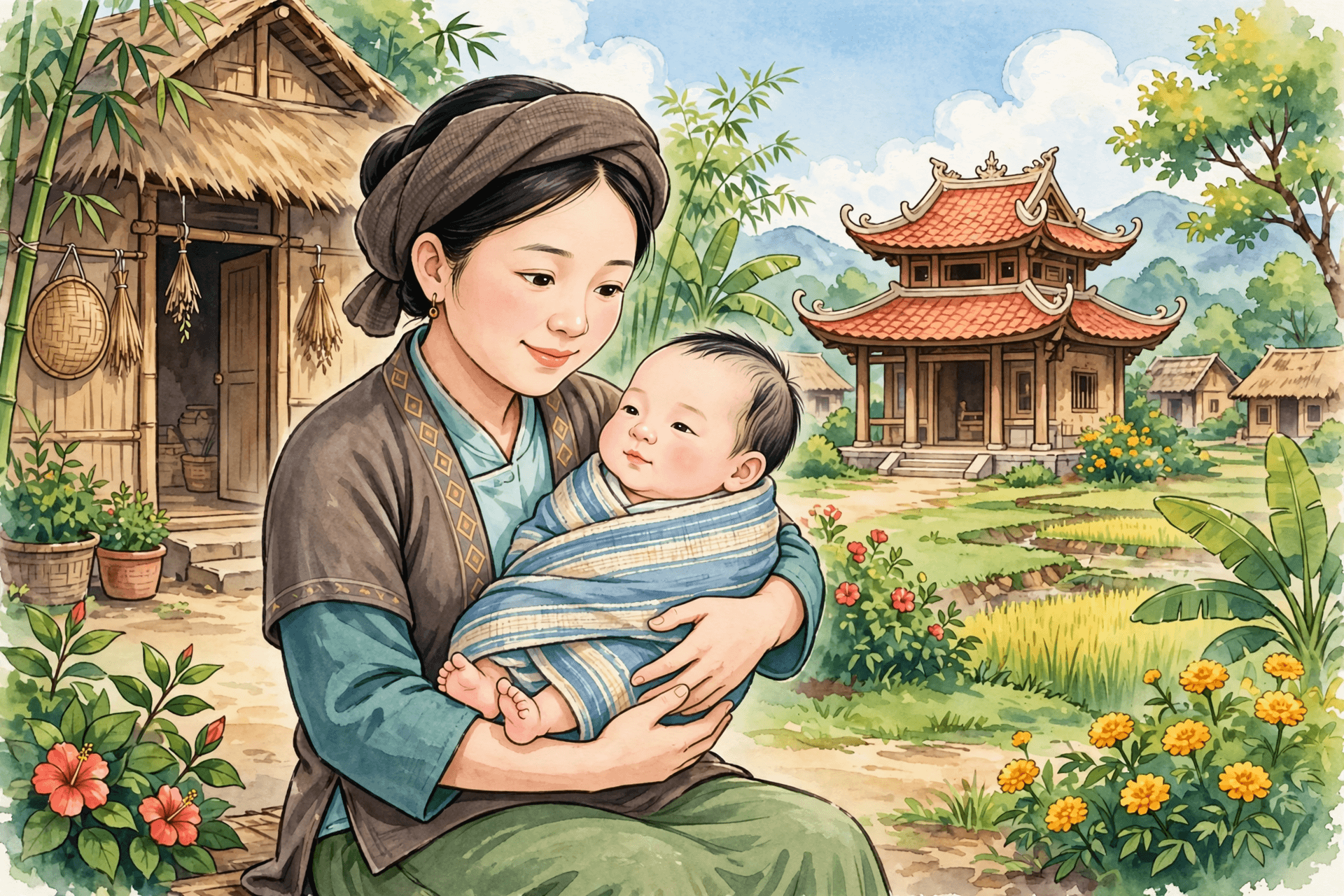
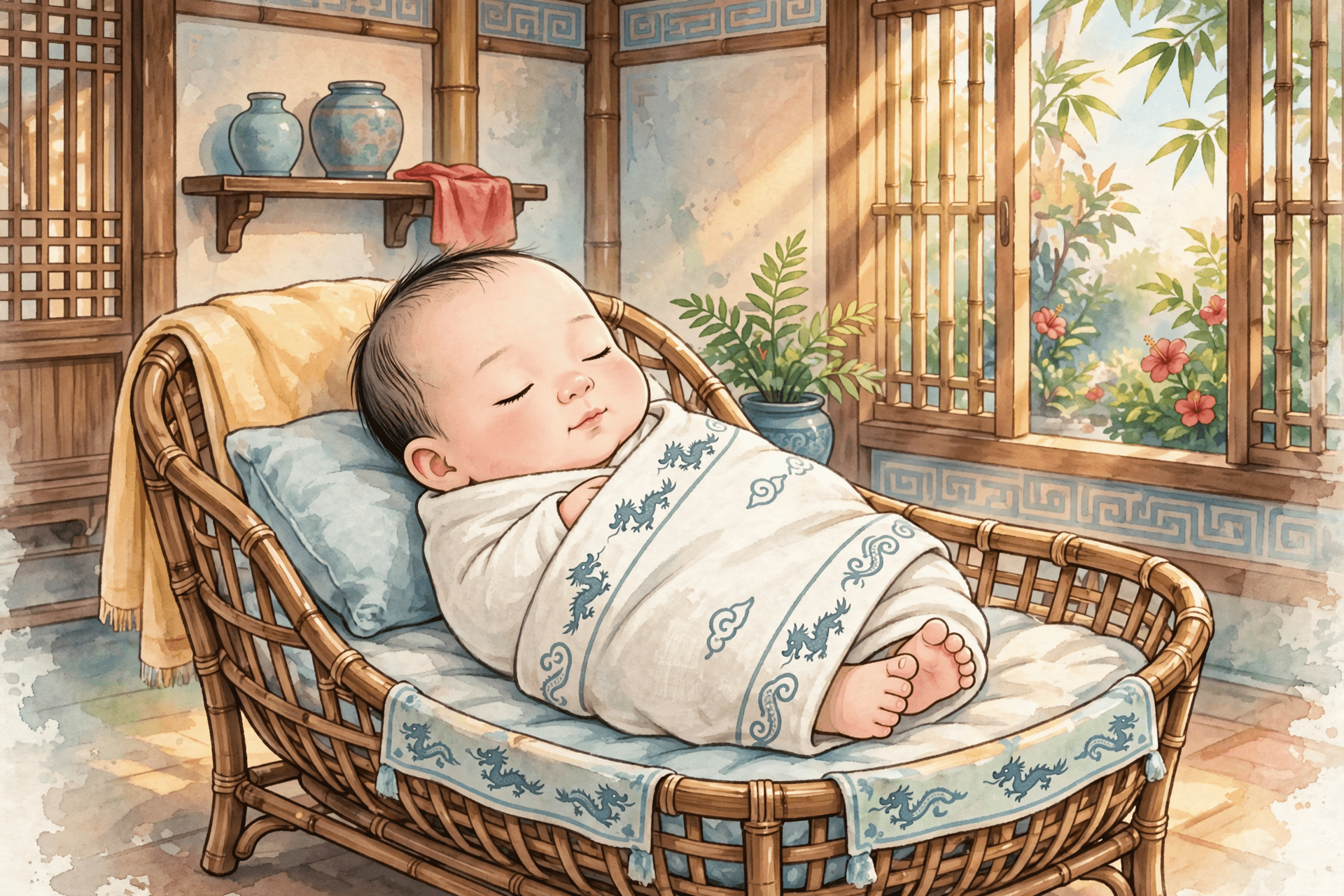
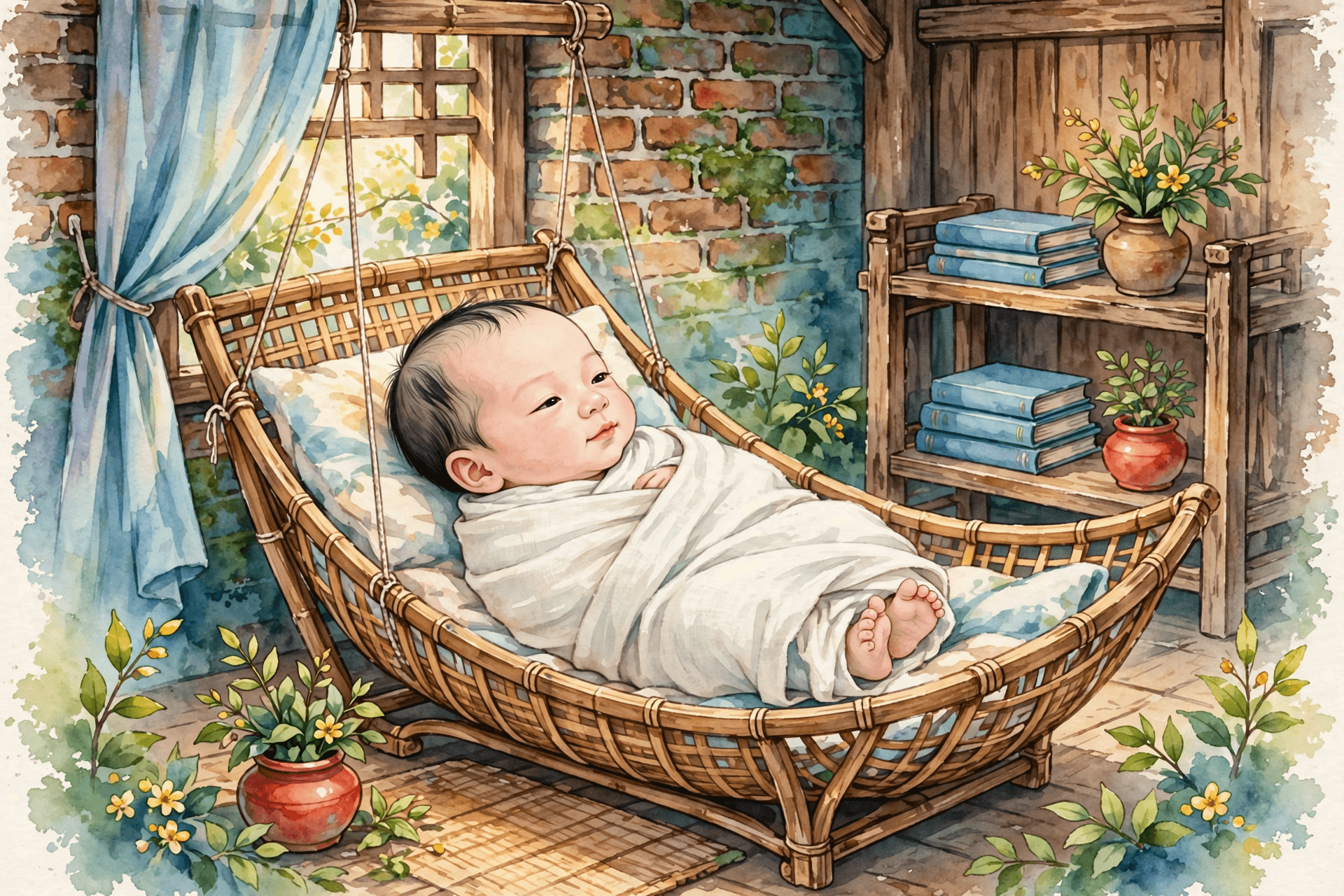
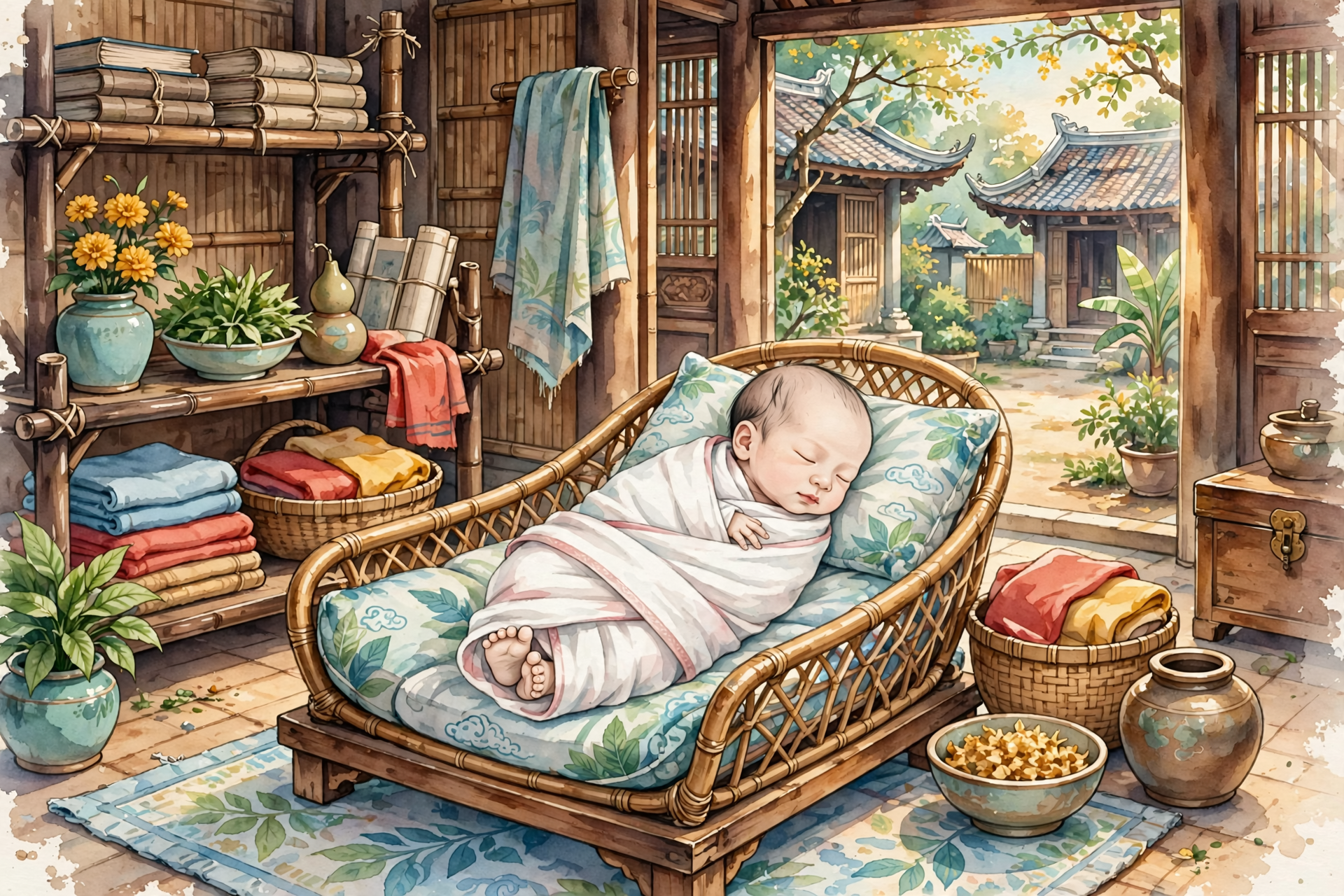
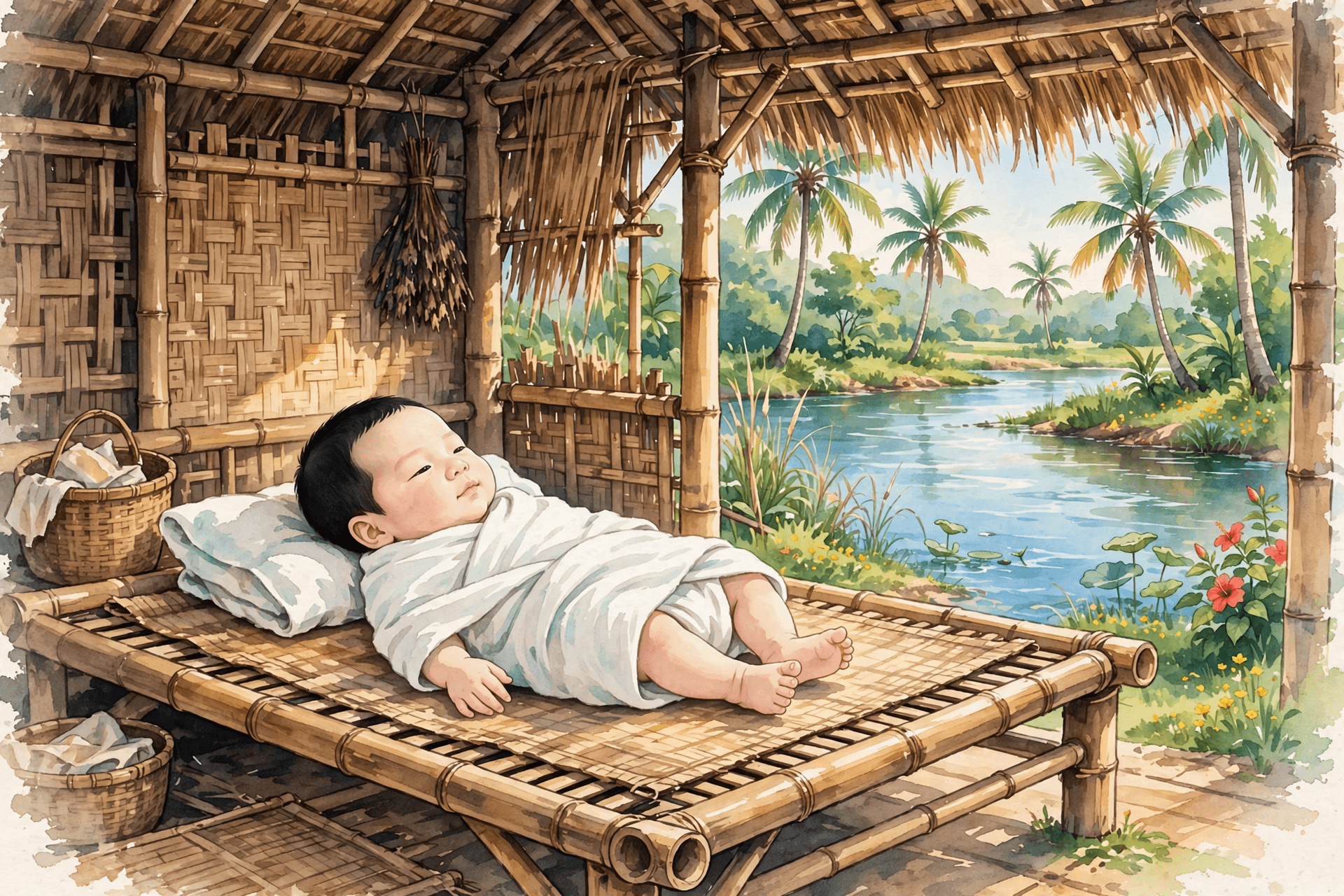
On one survey trip, Yu passed his own home for the first time in months. He heard the cry of his infant son from inside the house, but the water level in a neighboring village was rising fast. He pushed down his longing to enter, and his wife sent a message urging him to rest.
Page 11
Yu took his wife's advice and appointed team leaders to take turns overseeing the project, so the work no longer depended on him alone. The women and elderly handled map-making, cooking, and tracking water levels, while the children watched the water's color, ready to beat a drum to sound the alarm if anything looked wrong.
Page 12
When he passed his home a second time, Yu paused just long enough to take a winter coat his wife handed him, hugged his family quickly, shared his plans for the coming weeks, and rushed back to the worksite. That short, sweet reunion only strengthened his resolve to finish taming the floods.
Page 13
When a stretch of newly built canal accidentally sent water rushing too fast into a local fish farm, Yu did not hide his mistake. He gathered the villagers to adjust the canal's slope, and from that day on, every new section of the works was tested with a small amount of water before it was fully put to use.
Page 14
One by one, the new canals connected to the Yellow River. When the rainy season arrived, the water flowed steadily into reservoirs, glided through reed beds, and emptied into the sea. Some farm fields even received controlled flows of water, which left behind nutrient-rich silt to fertilize the soil.
Page 15
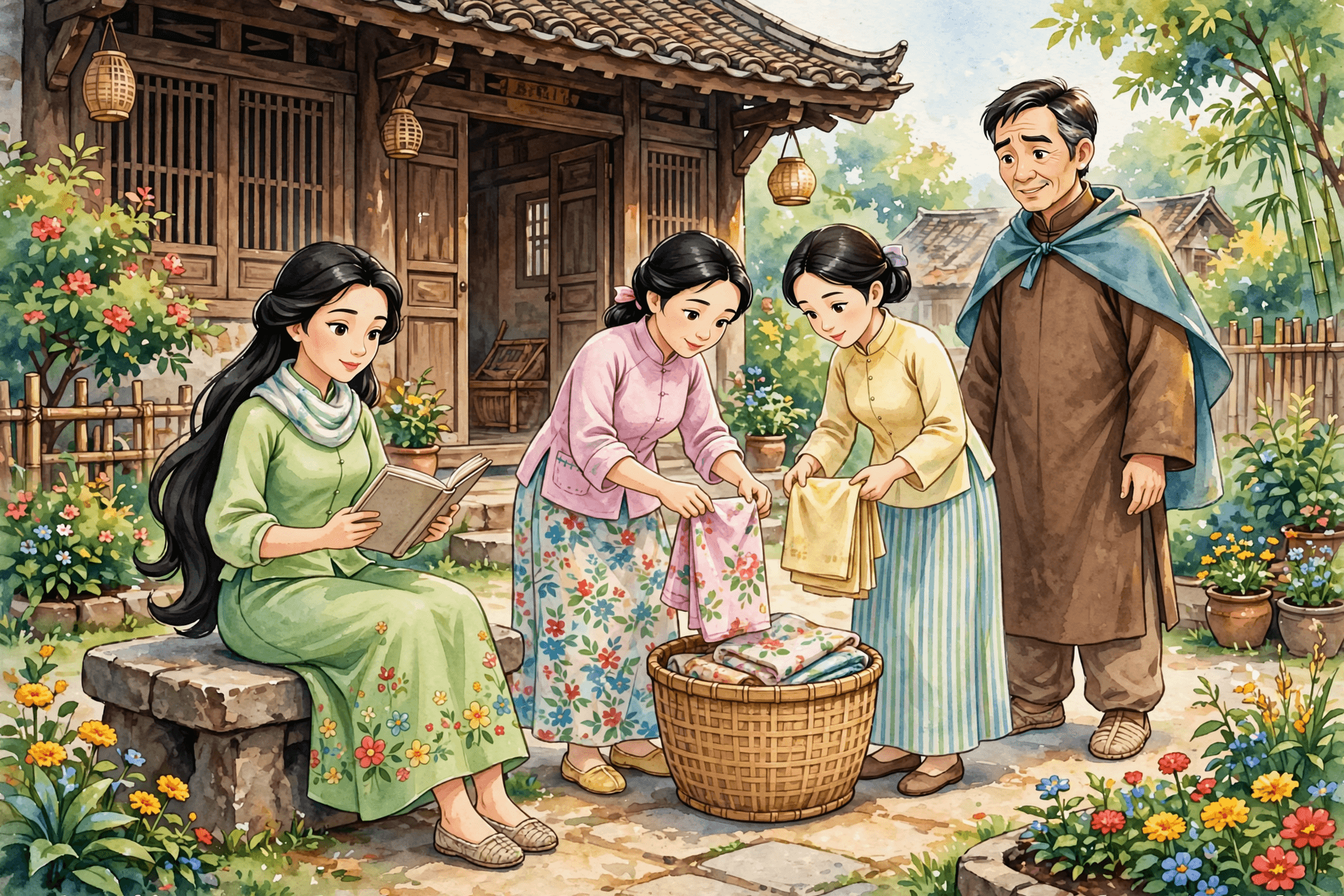
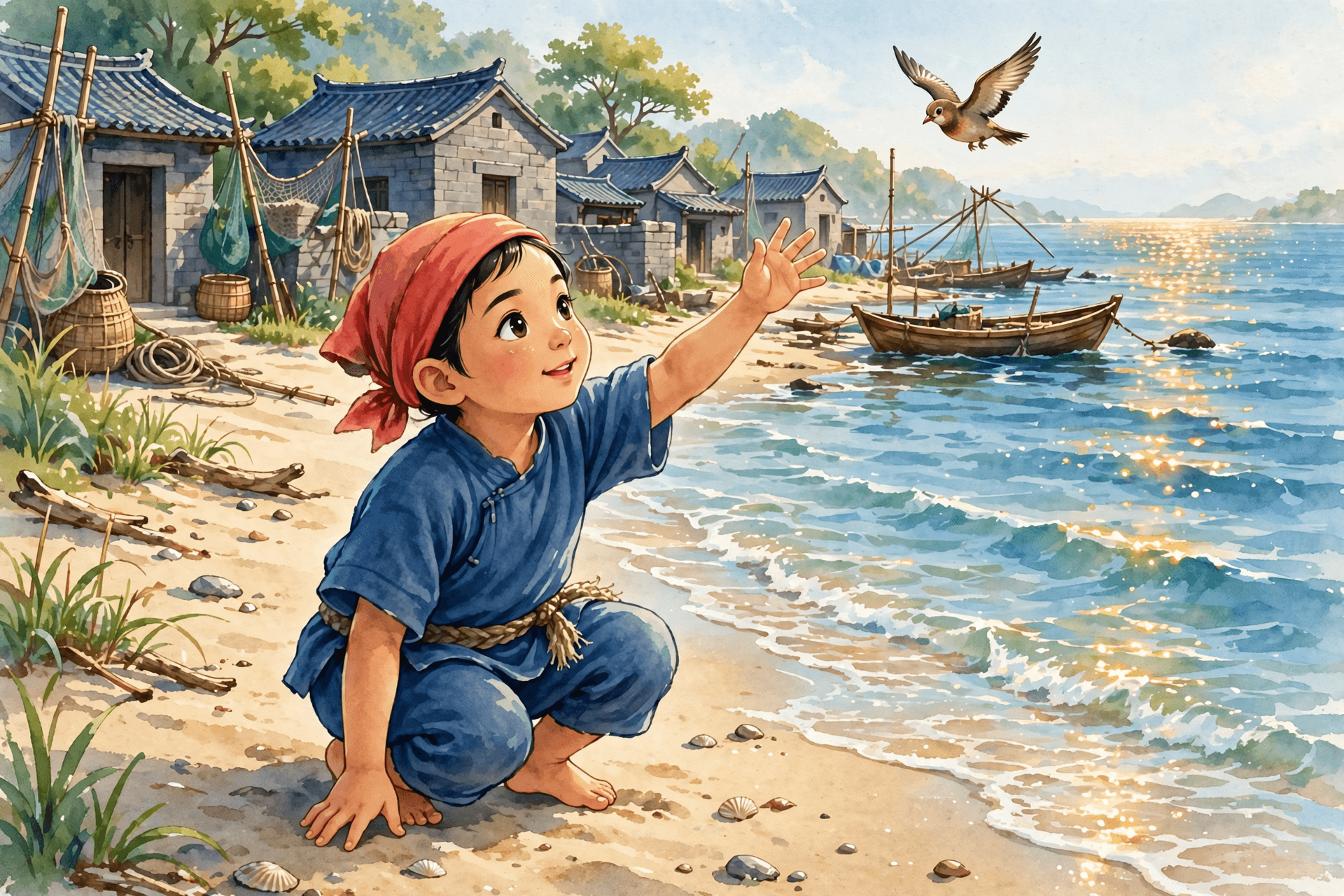
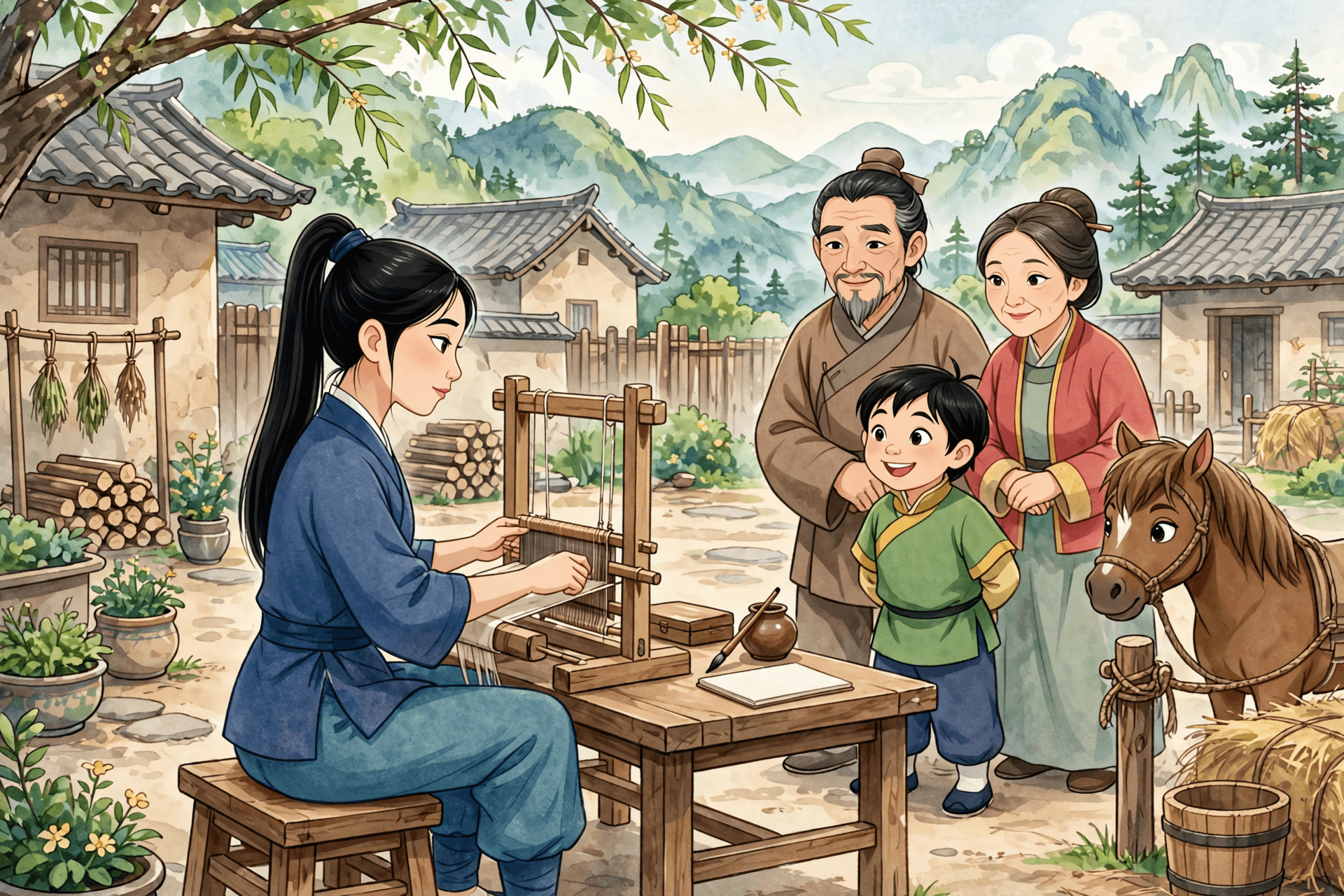
The third time he passed his home, Yu finally stepped inside to share a hot meal with his family. By then, the flood management system was run by a team of people who could maintain it together. He told his son the story of every canal, and his son even gave the waterways cute nicknames named after little birds.
Page 16
Thirteen years passed, and the flood threat was gone for good. The people called him Great Yu, but he said the victory belonged to everyone who had contributed. He also built an archive to store all the flood maps, so future generations could keep improving on the methods they had developed.
Page 17
The villages along the river launched a lively Clear Water Festival. First, everyone worked together to repair the dikes and clear out drainage ditches. Then they set up grand feasts to celebrate. The children launched little leaf boats on the water and promised never to throw trash into the river again.
Page 18
Yu also put permanent rules in place: no one could fill in natural lakes, and no one could cut down all the riverbank trees that held the soil in place. He had stone water level markers erected, carved with the heights of every past flood, so the community could always prepare ahead of flood season.
Page 19
The tale of Great Yu taming the floods has been told for a thousand years. It teaches us that we cannot fight nature by only forcing it back. We must learn to observe, find patterns, work with the natural flow, share responsibility with our neighbors, only then can we live in lasting harmony with the world around us.
Page 20
This wisdom of respecting nature and working together has walked with the Chinese people through every year that followed. As long as we listen to nature's voice and share our duties, we can protect the shared home we all depend on.